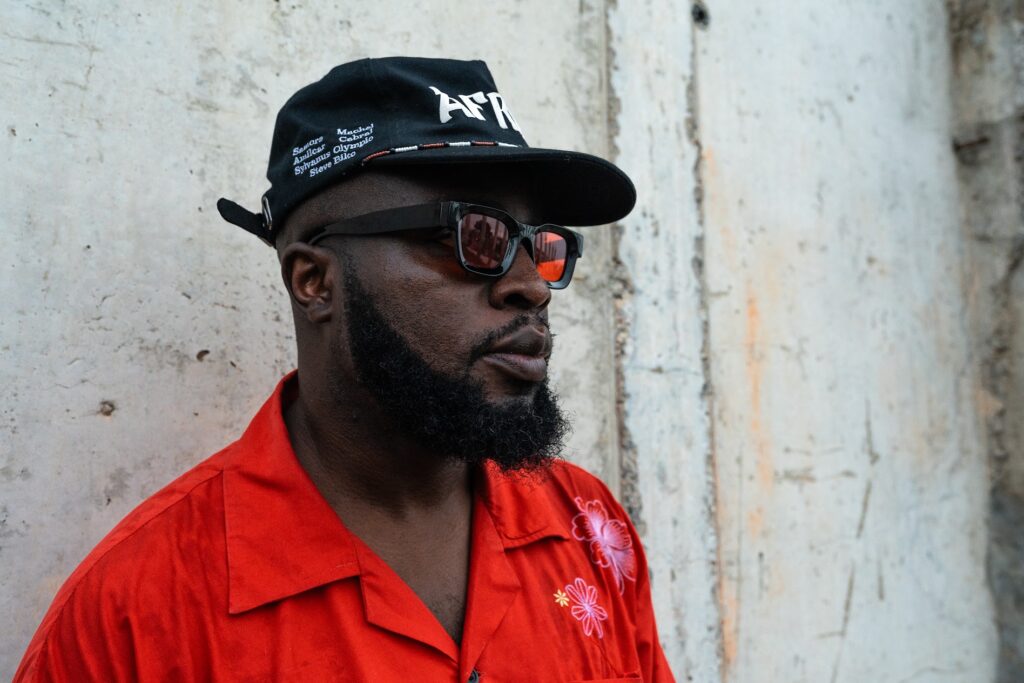
M.anifest on mastering the art of creative longevity.
By Kojo Bonsamposuro
For Kwame Ametepee Tsikata, the refusal to dumb it down has never been an act of elitism. It is a personal philosophy. Raised in close proximity to his grandfather ethnomusicologist Prof. J.H. Kwabena Nketia’s intellectual pursuits, M.anifest has spent nearly two decades executing one of African hip-hop’s most impressive tightrope walks, remaining fiercely lyrical, deeply African-centric, and unapologetically poetic while the Ghanaian music landscape shifted around him. In this conversation with Eastern Child, M.anifest discusses refusing to be a prisoner of the moment, why the new generation of lyrical artists gives him hope, and the true cost of independence in a fast-evolving global industry.
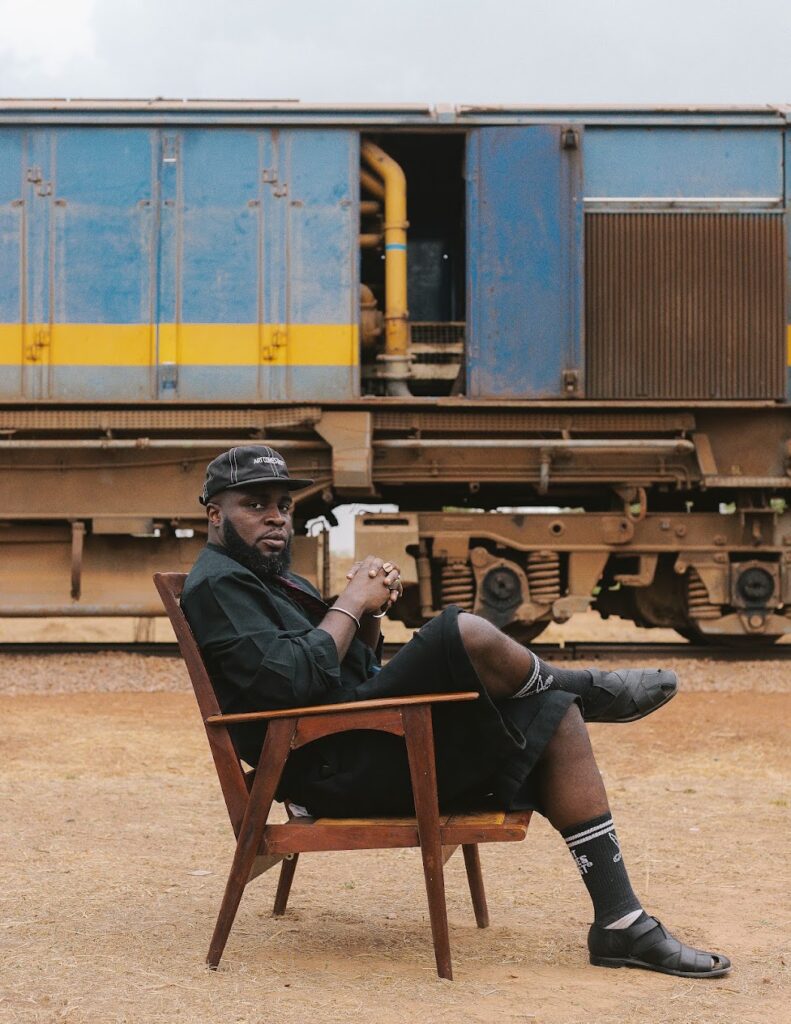
Eastern Child: Your grandfather was a prominent African music ethnomusicologist, and so one would’ve expected you to take the more traditional highlife route. But you chose hip-hop. What was it about this genre that drew you to it?
M.anifest: It might surprise you to find out that my Grandpa made time for quite a number of people in ethnomusicology who chose Hip Hop as the main focus of their practice. All that to say, times do change and in some respect what I do is more connected to my Grandpa than appears on the surface. Hip Hop has had a lot of cultural relevance for those of us Africans who grew up in the 90’s (and onwards) just as much as Highlife. It chose us.
EC: “Nowhere Cool” dropped about a decade ago, and yet the themes in the songs are still relevant in today’s world. How do you manage to make music that transcends time?
Mdot: I choose not to be a prisoner of the moment or a slave to time. That allows me to be an observer of the present while still being a keen student of history, and developing discernment about the future. This finds its way into how I construct art after inspiration finds me.
EC: From cultural impact, charts, commerce, and longevity to pure artistic satisfaction, how has your personal definition of a successful record changed over the years?
Mdot: My personal definition is only important to me. I’ve been in the practice and business long enough to appreciate that the right combination of cultural impact and commercial success (in terms of the artist being profitable enough to be prioritized and not ignored) can be quite magical and transformative. Being successful creatively will always be the foundation on which the aforementioned is built. .
EC: You weave Twi, Pidgin, and English while balancing street-level Accra observations with literary metaphors in your music. How do you approach keeping your vocabulary elevated without distancing yourself from the everyday listener?
Mdot: Being an artist I’m in the comms business by default. The most important language is that of the music. It’s also a hack in any case. The rest of it, the literal language part, is really akin to a painting. Depending on what I want the listener to see and feel I make certain linguistic choices. It’s why I can begin a verse with an informal pidgin directness of “see i dey slack, wondering about all the things I dey lack” and then later dovetail into something seemingly more lyrical like “ i double dare you to be more debonair.” It’s all about timing and choosing what is most potent. There was no way for instance HANDKERCHIEF would have done what I needed it to communicate without the majority Twi hook I sung.
EC: Ghanaian music has gone through several sonic periods over the last two decades. How do you resist the urge to chase a sound just because it’s dominating the charts?
Mdot: That new sound that dominates charts, somebody had to take a chance and depart from whatever was dominating before it, no? Some are called to get along with the thing du jour and others are called to risk it and innovate. We all must embrace our different destinies.
EC: In an evolving industry like the music industry, how does one find a balance between dealing with the music business and maintaining a firm grip on staying true to one’s artistic self?
Mdot: Constant self-development and rigorous study.
EC: You have seen the industry change so much since your debut. What do you find interesting and amusing about the current state of the Ghanaian music industry?
Mdot: I find it interesting that some of the new gen artists who are most beloved have so much depth and untamed lyricism. Elective and poetic Twi, pidgin, english and what have you. It’’s a great signaling for the scene; success in music does not always require dumbing it down.
EC: You have spoken about the challenges independent African artists face regarding infrastructure, distribution, and funding. What structural changes do you think are necessary for alternative, lyric-driven artists in Ghana to thrive financially?
Mdot: I can list a whole heap of things, but at this moment what matters to me is how artists and their teams navigate these challenges and win big for themselves and those who come after them. It will likely include a lot more global-facing entrepreneurship than a lot of artists have the stomach for… but the game is the game
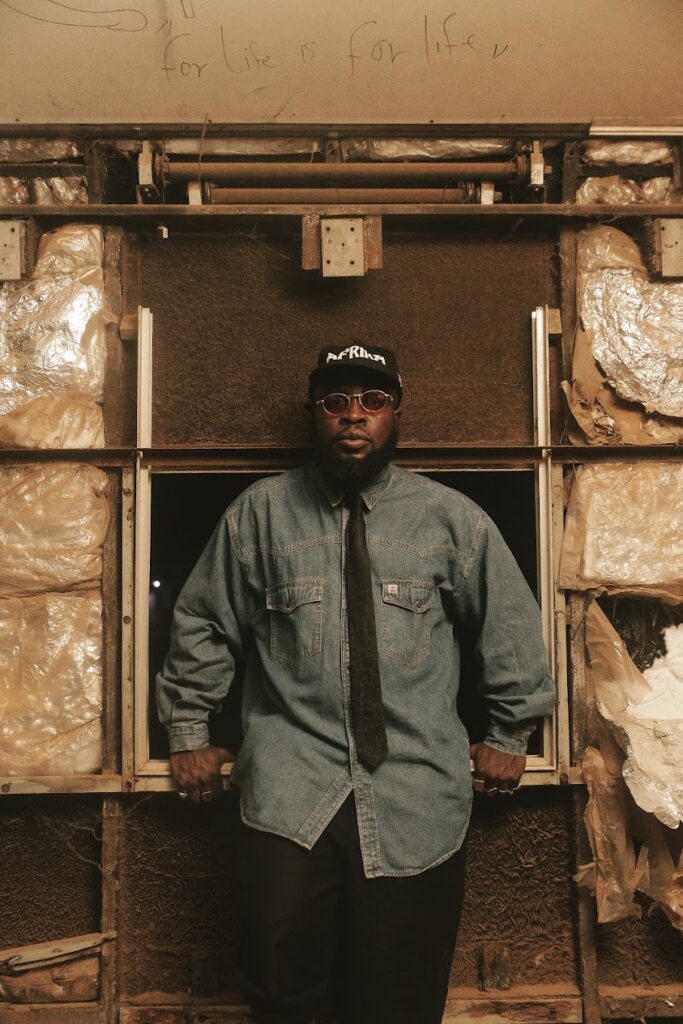
EC: You are one of the few people who consistently platform younger talents, either via a song or sharing a stage with them. How important is the mentorship and platforming you offer younger artists? What do they mean to you?
Mdot: Pay it forward! Music and art is community based. The individual pursuits alone will always have a lesser net sum impact now and on the future. “We dey together” has to be more than just a nice sounding slogan.
EC: There have been a lot of GOAT debates on Twitter recently. Which people would make your GOAT list in any five fields of your choice?
Mdot: We love the idea of a messiah so badly don’t we? Truthfully there’s usually more than one GOAT in a field. Too many people across too many generations make shape-shifting and mind blowing contributions for us to be caught up by the idea of one beyond just banter. That said let me list a few of my GOATS – Prof J.H Kwabena Nketia (Grandpa), Priscilla Naana Nketia (Mom), Capt Kojo Tsikata, Kwame Yeboah (IYKYK), Serena Williams, Michael Jordan, Stevie Wonder, Ama Ata Aidoo… and the list goes on and on and on.